twenty-eighth chief of Clan MacKinnon, active as chief from about 1641 until his death in 1700.
/Knight_Banneret/Strathaird, 1641–1700
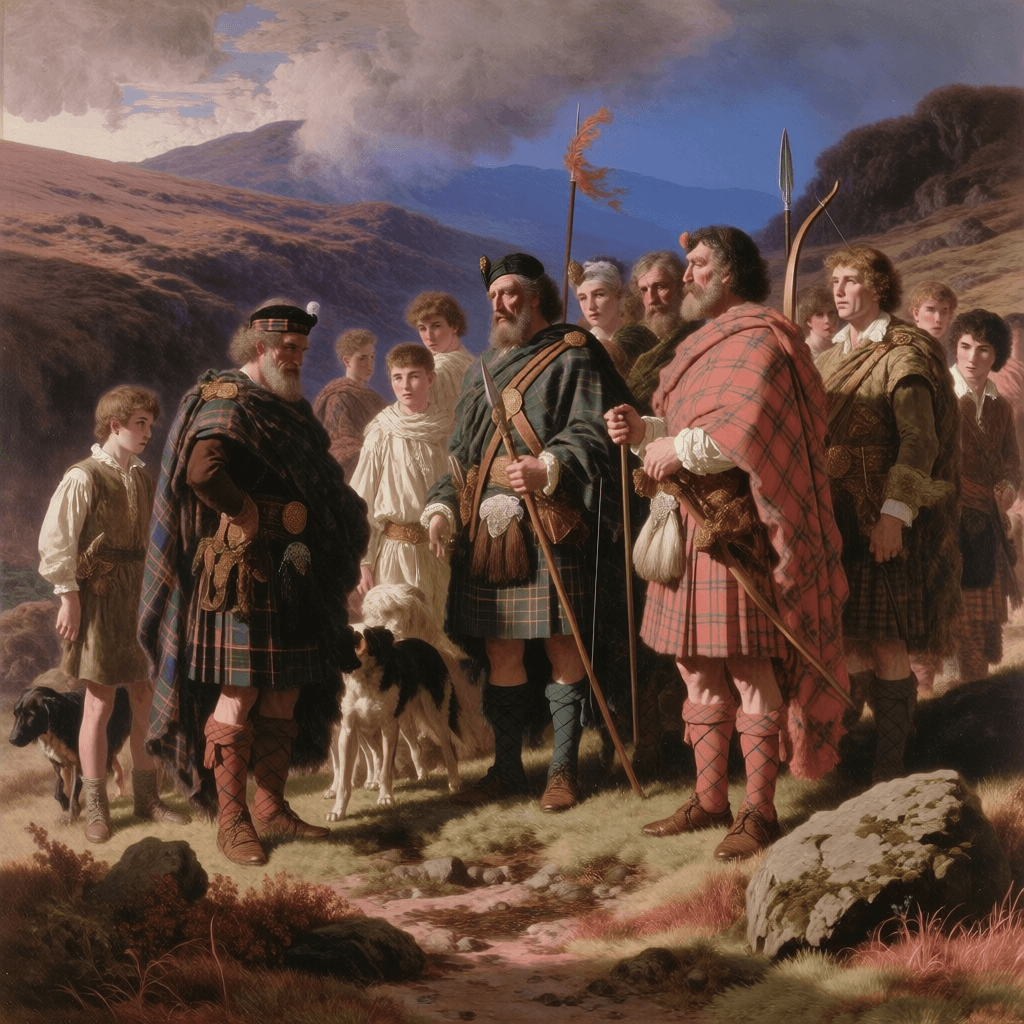
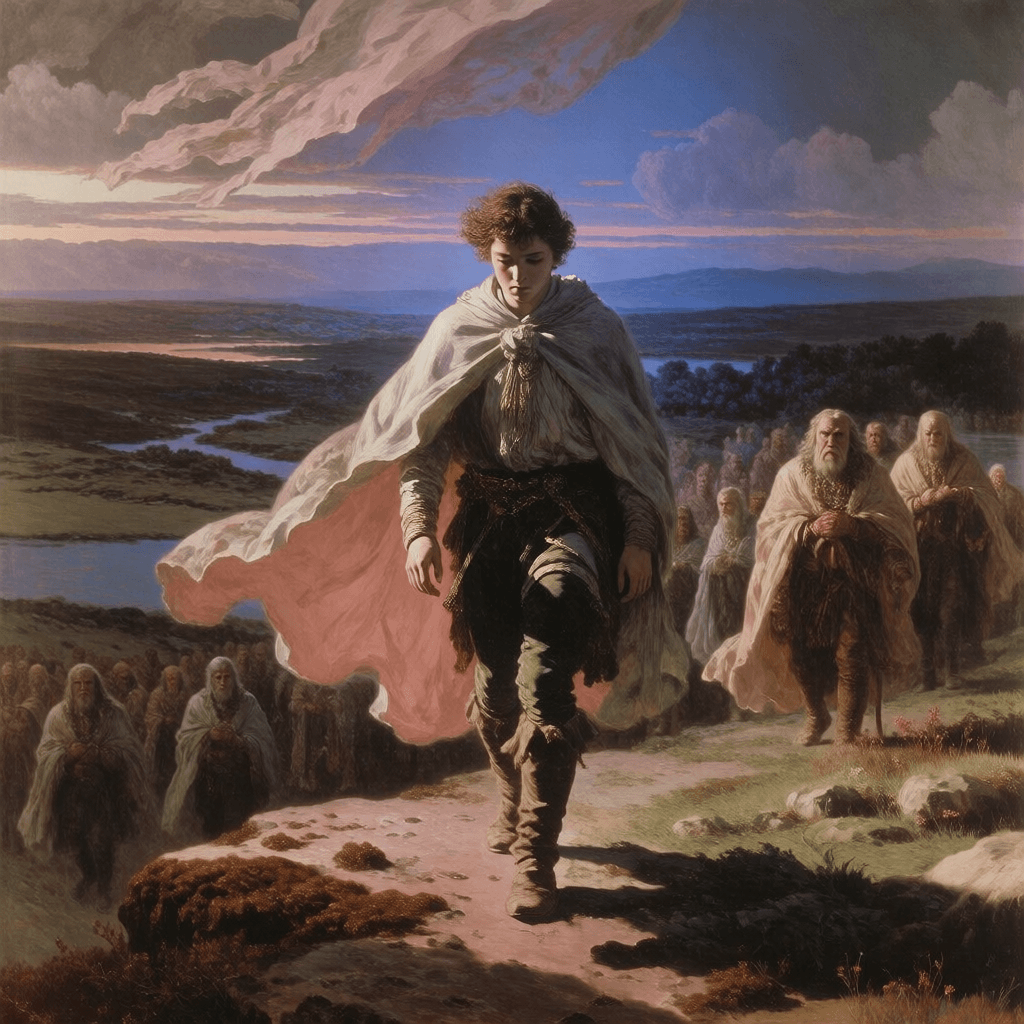
The quarrel story says that the Antigua ancestor, usually called Donald in clan tradition and later associated with Dr Daniel Mackinnon of Antigua, broke with his father Sir Lachlan Mòr Mackinnon during a hunting party on Skye.
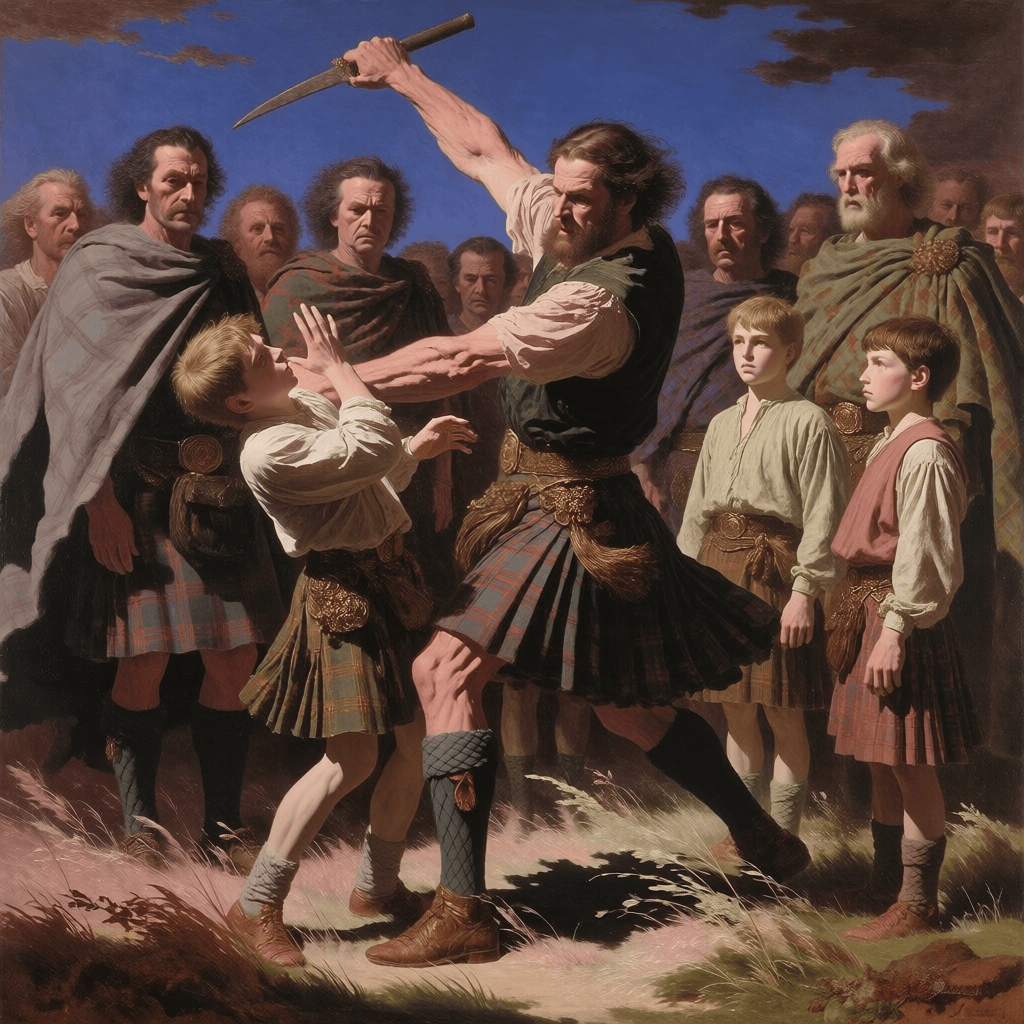
The fullest version comes from a later family memory attributed to John Daniel Mackinnon, writing from Antigua in eighteen hundred and two: at a very young age, Donald/Daniel “unintentionally displeased” his father while hunting; Lachlan Mòr, who was deaf, did not hear his son’s apology and struck him in front of several gentlemen; the public humiliation was severe enough that the son left his father’s house and never returned, and for many years the family supposedly did not know what had become of him.
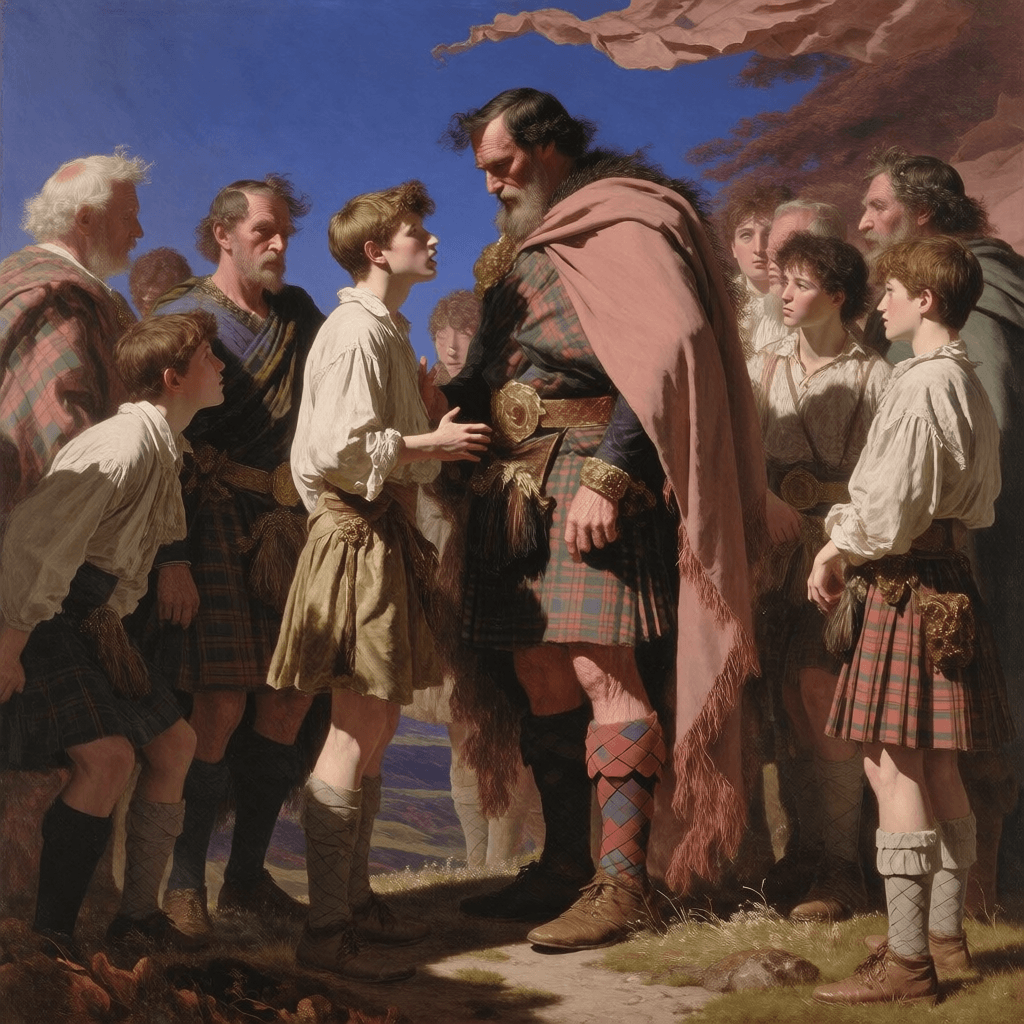
A later art-historical source summarises the same tradition as Donald fleeing the ancestral home after an altercation with his father “on the hunting field.” This is the emotional origin-story of the Antigua split: not a planned colonial mission from the clan, but a rupture inside the chiefly household, remembered as anger, shame, physical insult and permanent exile.
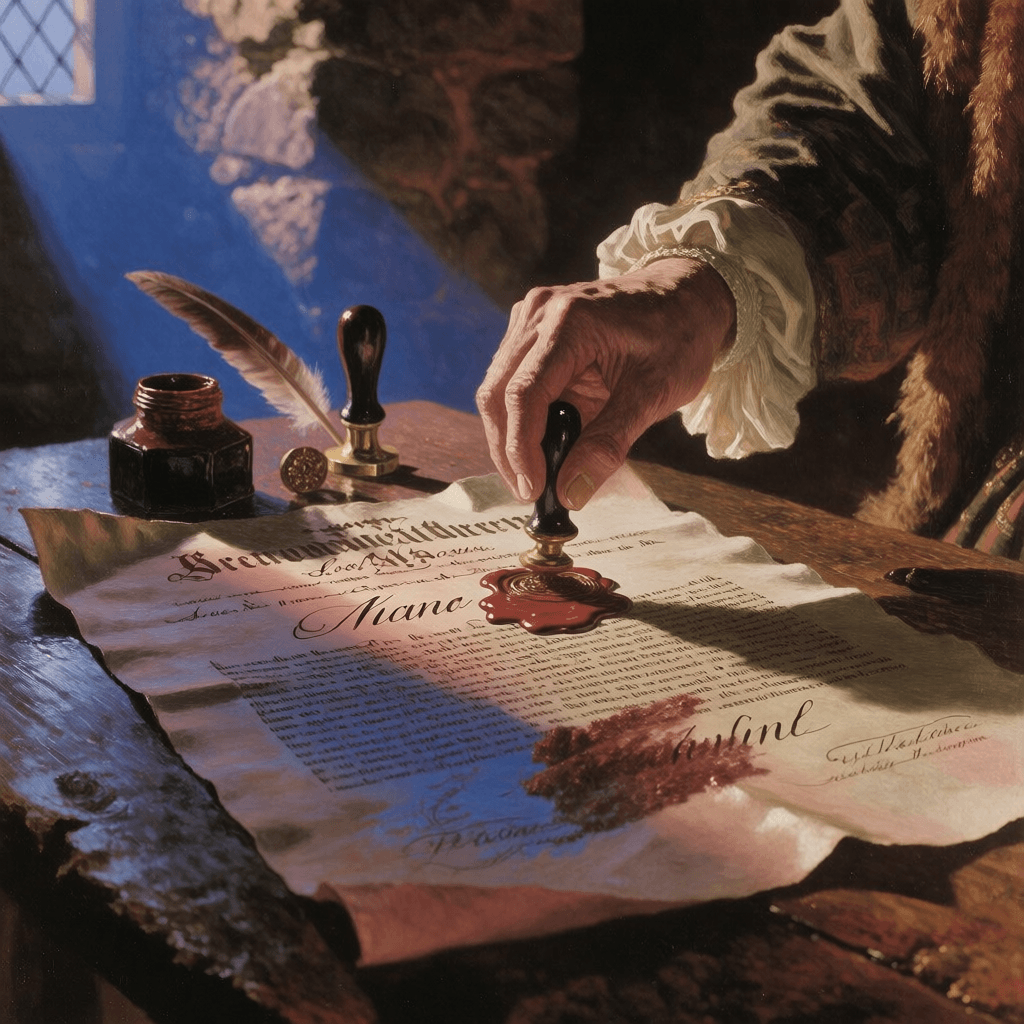
The inheritance problem makes the quarrel story much more politically charged. In the twenty-first of February, sixteen seventy-eight marriage contract between Sir Lachlan Mòr Mackinnon and his second wife More MacLeod, the succession is framed around John MacFingon, Lachlan’s existing son by his first wife: if John died without male heirs, then the future male heir of Lachlan and More MacLeod would succeed to the lands and estate.
That wording leaves no clear place for Donald/Daniel, even though the Antigua tradition later presents him as Lachlan Mòr’s younger son. This creates two serious possibilities. One: Donald/Daniel was genuinely Lachlan’s son, but after the hunting-field rupture he was excluded from the recognised succession, effectively cut out of the Gaelic inheritance structure.
Two: the Antigua line later strengthened or reshaped its ancestry by attaching itself as closely as possible to Lachlan Mòr, especially after the direct Gaelic line failed in eighteen hundred and eight and the chiefship could move sideways. Either way, the contract matters because it shows that Donald/Daniel was not being treated as a normal visible heir in the Scottish legal succession. The Antigua claim may preserve a real family rupture, or it may also reflect a later struggle to make the colonial branch legitimate enough to inherit the chiefship.
The senior Gaelic line continues two more generations through Charles and John, then closes in 1808.
Identity: thirtieth chief of Clan MacKinnon, born around seventeen fifty-three, active as chief from seventeen fifty-six until his death in seventeen ninety-six. He was the son of Iain Dubh and Janet MacLeod of Raasay.
Inherited situation: he inherited as a child, directly after the Jacobite disaster had broken the power of many Highland houses. His chiefship began under debt, trusteeship, forfeiture pressure and the general collapse of the older clan military world.
Estate collapse: during his lifetime, the old MacKinnon territorial base was lost or sold. The crucial date is seventeen sixty-five, when Strathaird and much of the remaining Skye estate passed out of MacKinnon control. This marked the real material end of the old chiefly seat.
Intellectual life: unlike Iain Dubh, Charles is not remembered mainly as a war leader. He was educated, literary and intellectually active, writing on national wealth, military force, Ossian, music, fortification and metaphysics.
Boswell connection: James Boswell met him on Raasay in seventeen seventy-three and described him as physically delicate but intellectually impressive. That gives us a rare living glimpse of the post-Jacobite chief as a learned but weakened Highland gentleman.
Legacy: Charles represents the transition from fighting chief to dispossessed gentleman. The clan line survived, but land, wealth and military power had collapsed. His son John inherited the title but not the old material base.
Identity: thirty-first chief of Clan MacKinnon, active as chief from seventeen ninety-six until his death in eighteen hundred and eight. He was the son of Charles Mackinnon.
Inherited situation: he inherited after the direct Gaelic line had already lost its old territorial foundation. By his chiefship, the role was increasingly genealogical and symbolic rather than territorial and military.
End of senior line: he died unmarried and without children in eighteen hundred and eight. That ended the direct senior male Gaelic line descending from Sir Lachlan Mòr through John Og and Iain Dubh.
Succession consequence: because John left no direct heir, the chiefship passed sideways to the Antigua-descended branch of Donald/Daniel Mackinnon. This was the decisive transfer from the Gaelic Jacobite line to the colonial branch.
Legacy: John’s personal record is thin, but his structural importance is huge. He is the final chief before the colonial turn. With his death, the war-broken Skye line closes, and the Antigua plantation line becomes the recognised chiefly line.
1808 — the chiefship moves sideways from the extinct Gaelic line into the Antigua-descended branch.
Transfer point: John, thirty-first chief.
Identity: John was the last chief of the direct Gaelic senior line descending through John Og and Iain Dubh. He died unmarried in eighteen hundred and eight, so the chiefship could no longer continue through that senior male line. The title then moved sideways into the Antigua branch, traced to Donald or Daniel, the younger emigrant attached to Sir Lachlan Mòr’s family.
Meaning of the transfer: this is the crucial colonial switch. Before John’s death, the chiefs are the post-Jacobite Gaelic line: Iain Dubh, Charles, John. After John’s death, the recognised chiefly line becomes the Antigua-descended line, meaning the symbolic headship of a Highland clan passes into a family whose wealth, estates and social position were bound up with Caribbean slavery.
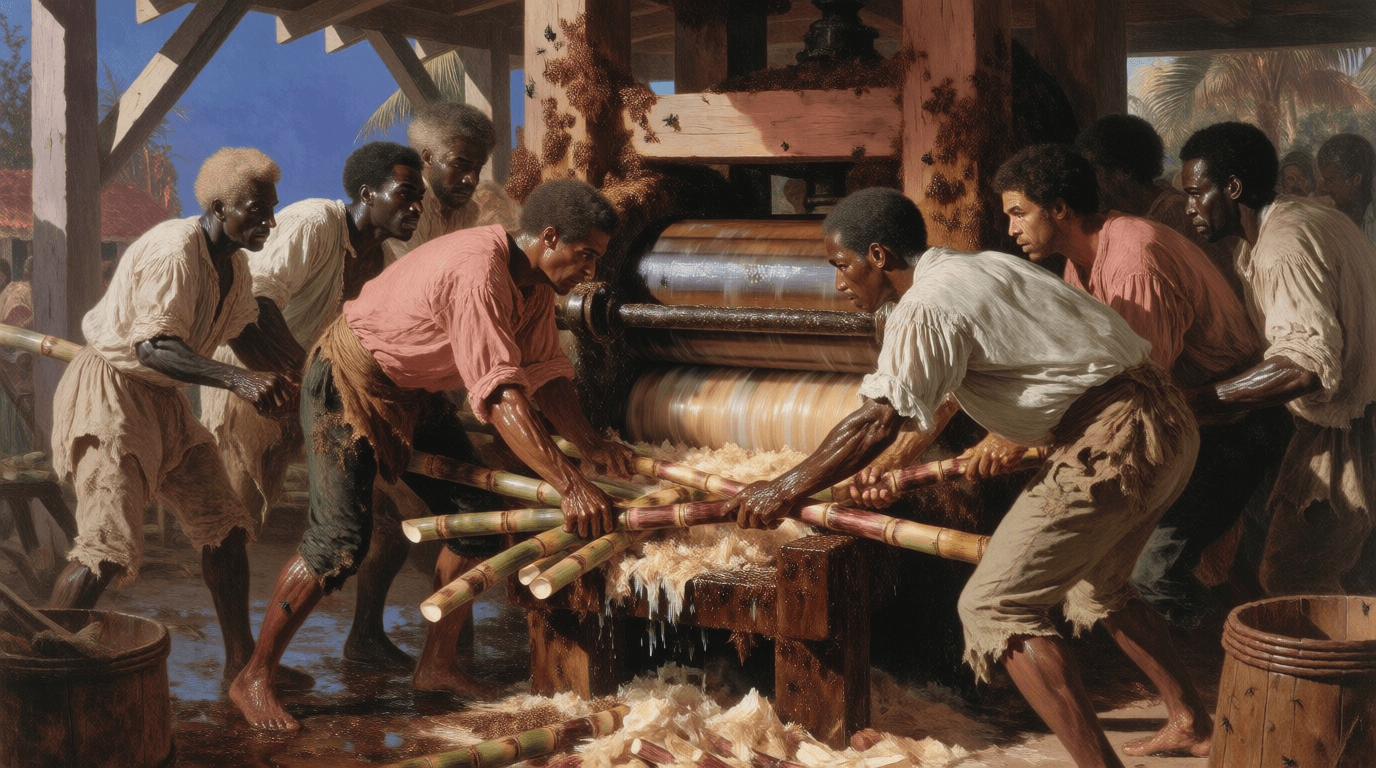
Identity: the Antiguan genealogy names him as Dr Daniel Mackinnon of Dickenson’s Bay, Antigua, second son of Lacklin More Mackinnon, chieftain of the clan. Chiefly tradition often calls the emigrant Donald, while the Antiguan family record uses Daniel. For our map, he is the branch founder: the man through whom the Antigua family later reconnects to the chiefship.
Colonial activity: Daniel was established at Dickenson’s Bay, sat in the Antiguan legislature, and represented St John’s in the Assembly convened on the twenty-second of May, seventeen hundred and ten. The source calls him one of the most influential men of his day, which places him not as a marginal migrant but as a serious Antiguan planter-politician. Family continuation: Daniel married Alice Thomas, daughter of William Thomas of Antigua. Their children included William, Charles and Elizabeth. This matters because the line that later becomes chiefly runs through William, while the family also intermarried with other major Antiguan and West Indian families, including Thomas, Yeamans, Frye, Carlisle and Payne connections.
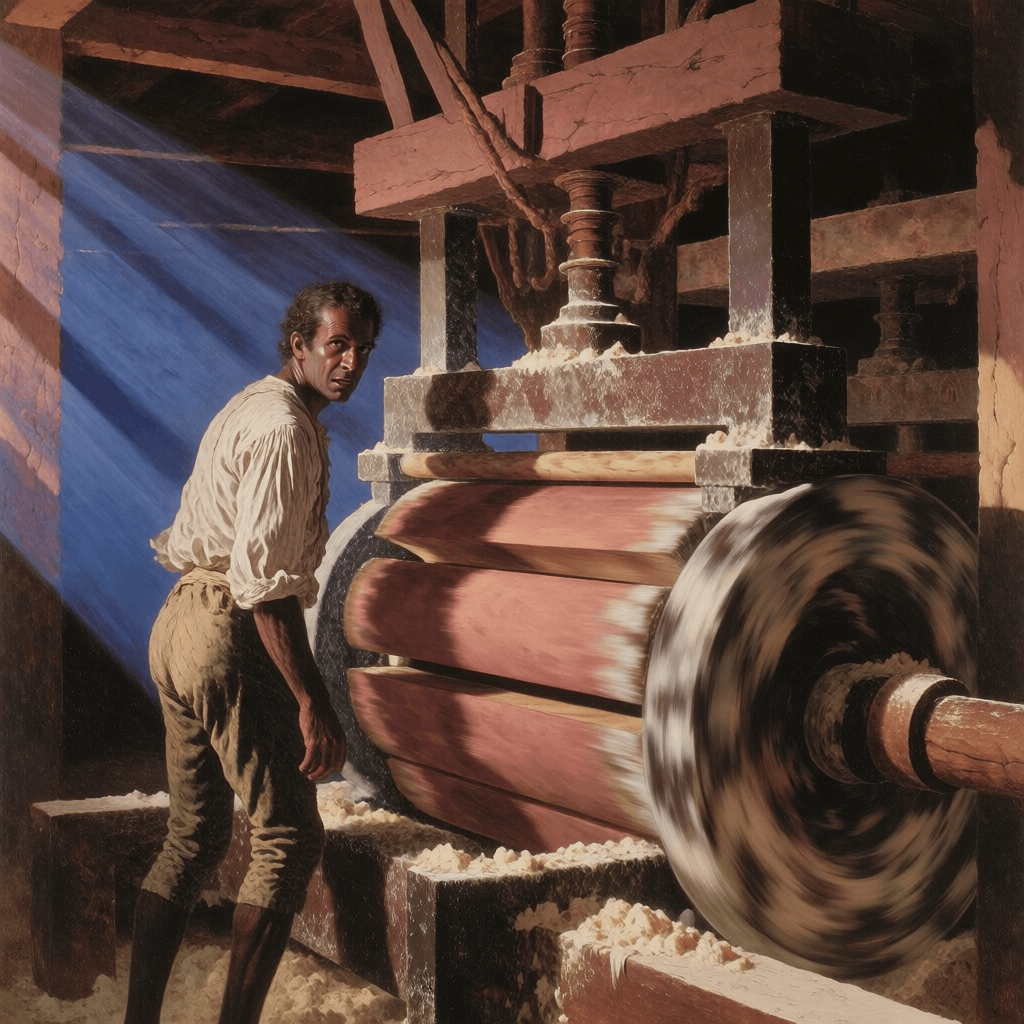
Plantation reality: the later estate record shows Mackinnon’s Estate in Antigua as a slave-worked plantation with hundreds of enslaved people recorded across the early nineteenth century. UCL lists totals of two hundred and ninety-three enslaved people in eighteen hundred and seventeen, two hundred and seventy-seven in eighteen hundred and twenty-one, two hundred and seventy-eight in eighteen hundred and twenty-four, two hundred and seventy-one in eighteen hundred and twenty-eight, and two hundred and seventy-six in eighteen hundred and thirty-two.
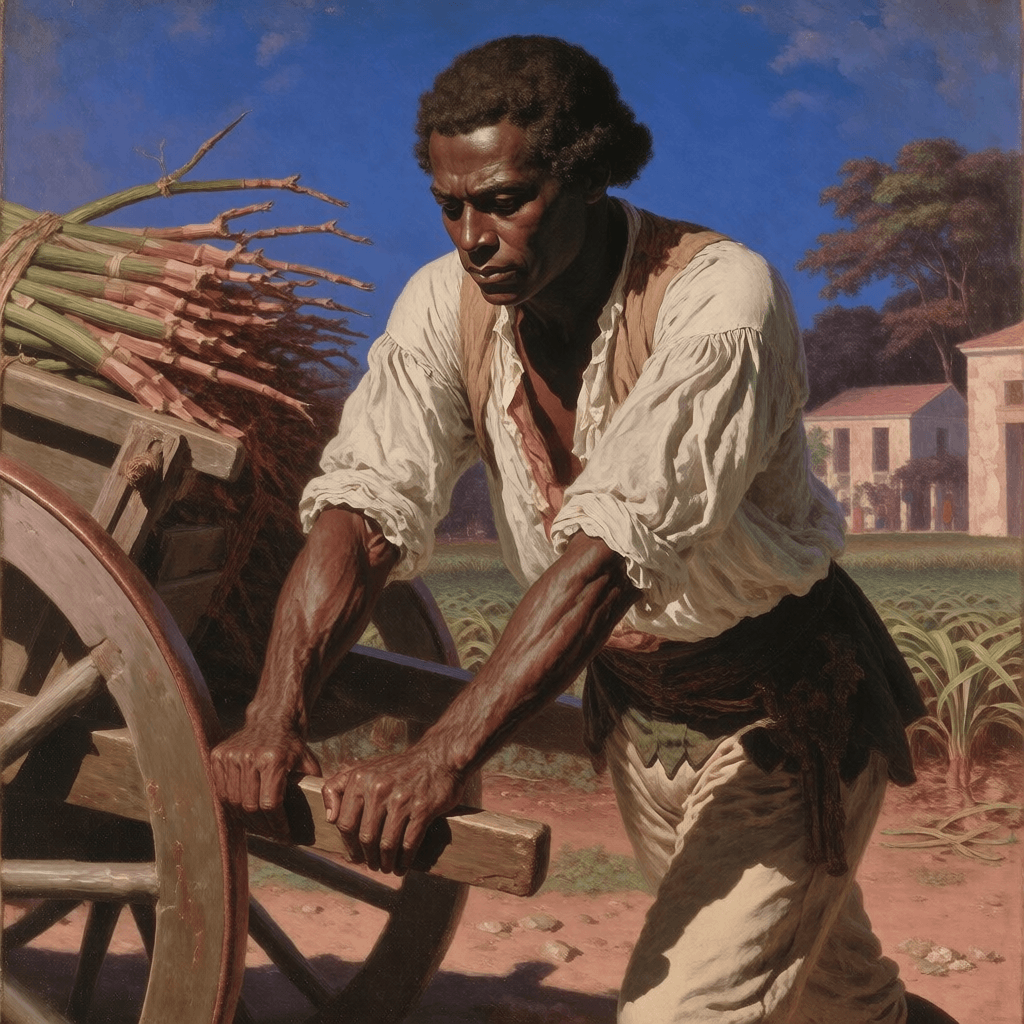
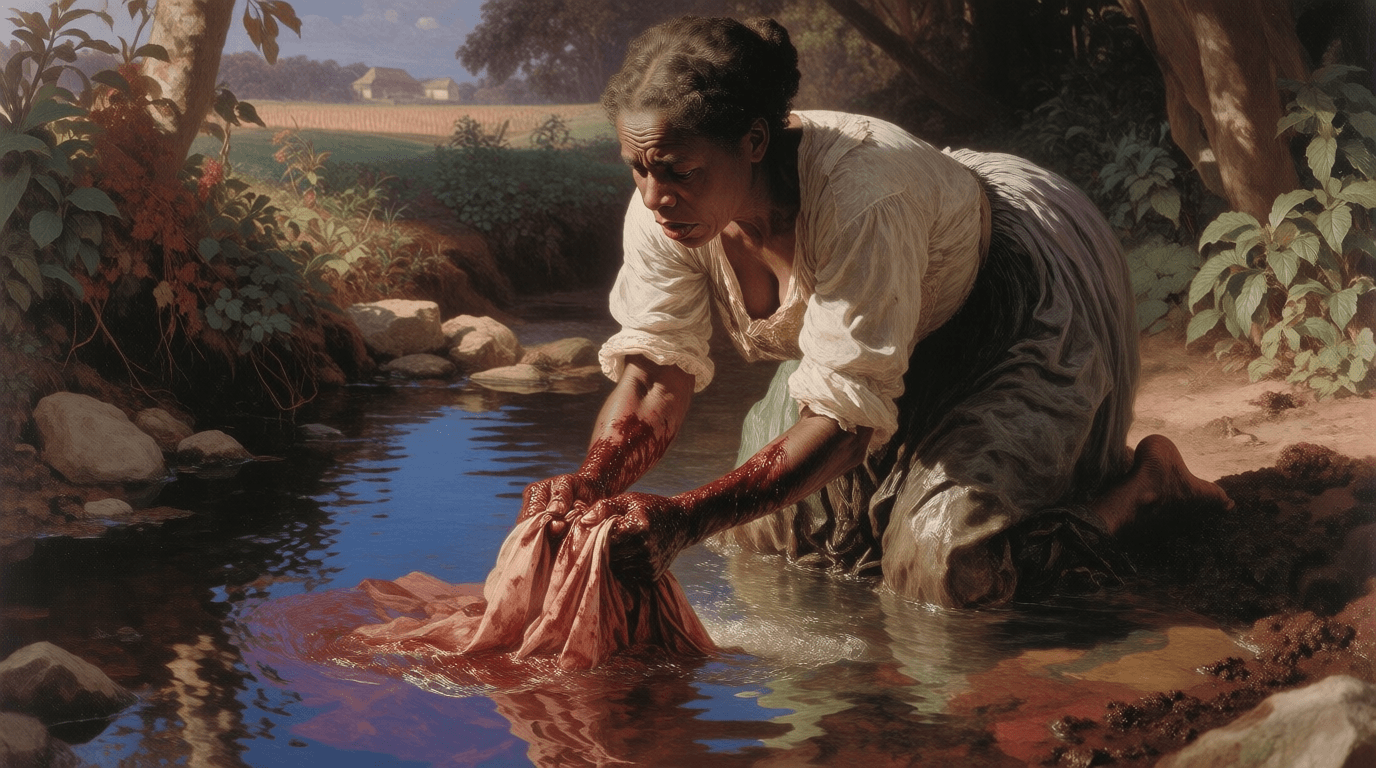
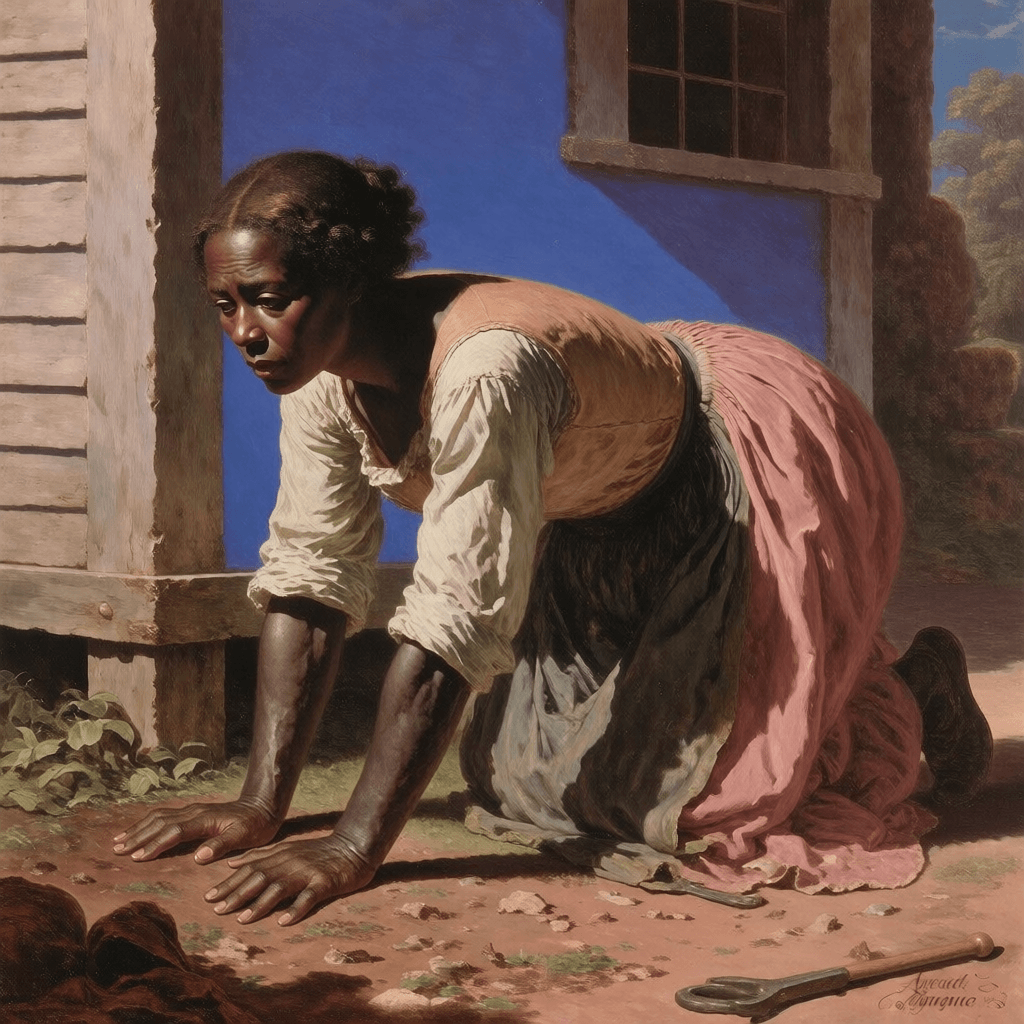
Named enslaved testimony: Juncho, an elderly woman formerly enslaved on McKinnon’s estate, gives the strongest surviving human testimony we have so far. She described cane-hole digging, weeding cane, picking grass, being forced away from a sick child, and watching a child tied by the hands to a tree or stretched on the ground while the driver whipped him. This is not abstract “plantation ownership”; it is coercive field labour, family separation, punishment, and maternal helplessness under plantation discipline.
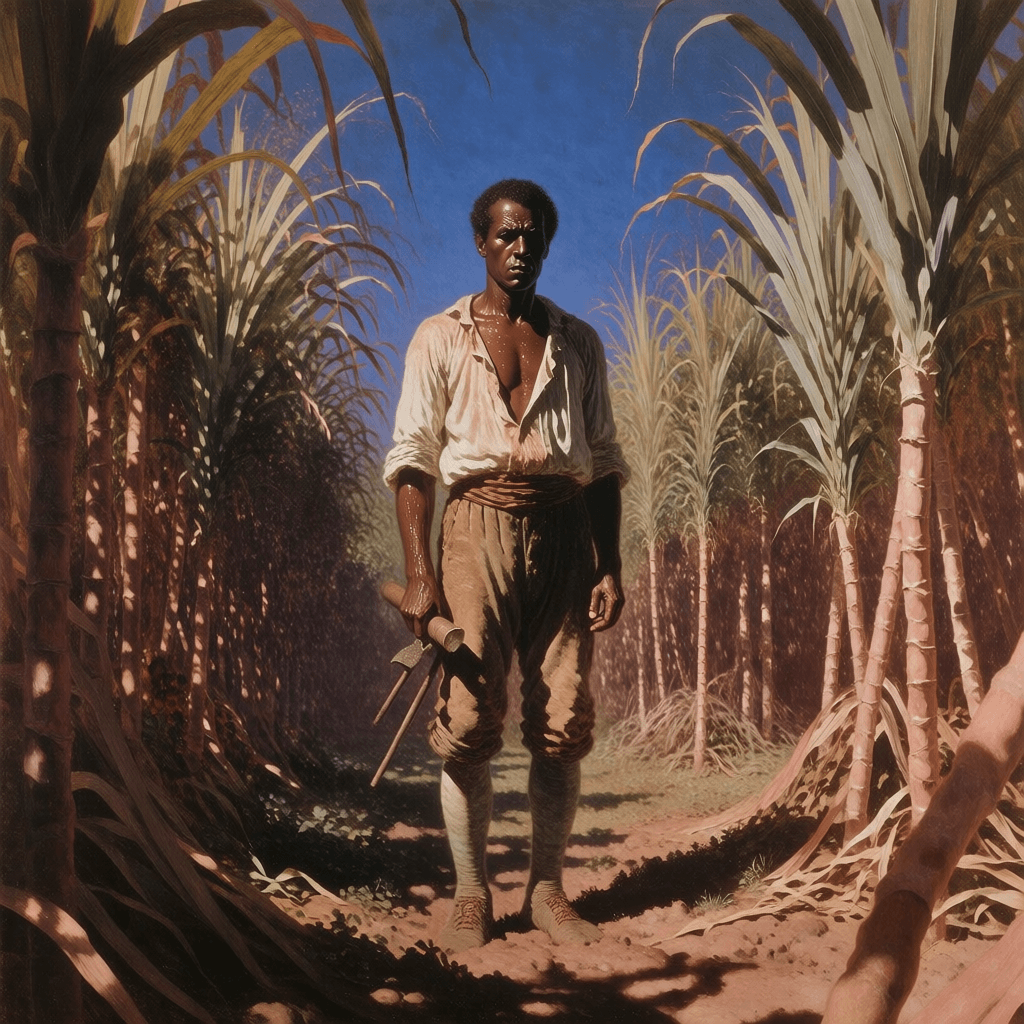
Identity: William became thirty-second chief in eighteen hundred and eight after the death of John, the last of the direct senior Gaelic line. He died in eighteen hundred and nine, aged seventy-seven, and the chiefly list states that he was a descendant of Donald of Antigua and never knew he was chief.
Estate position: UCL’s estate record identifies “William Mackinnon senior” as owner of Mackinnon’s Estate up to eighteen hundred and nine, which lines up with the one-year chiefly transition. So he is not just a genealogical bridge: he is the point where the chiefship passes into a slave-estate-owning Antiguan family structure. Legacy: his role is mainly transitional. The father of William Alexander had already died, so the chiefship moved from this older William to his grandson William Alexander Mackinnon in eighteen hundred and nine. That makes the thirty-second chief a short-lived legal hinge between the extinct Gaelic senior line and the more visible imperial, parliamentary, compensation-receiving line.
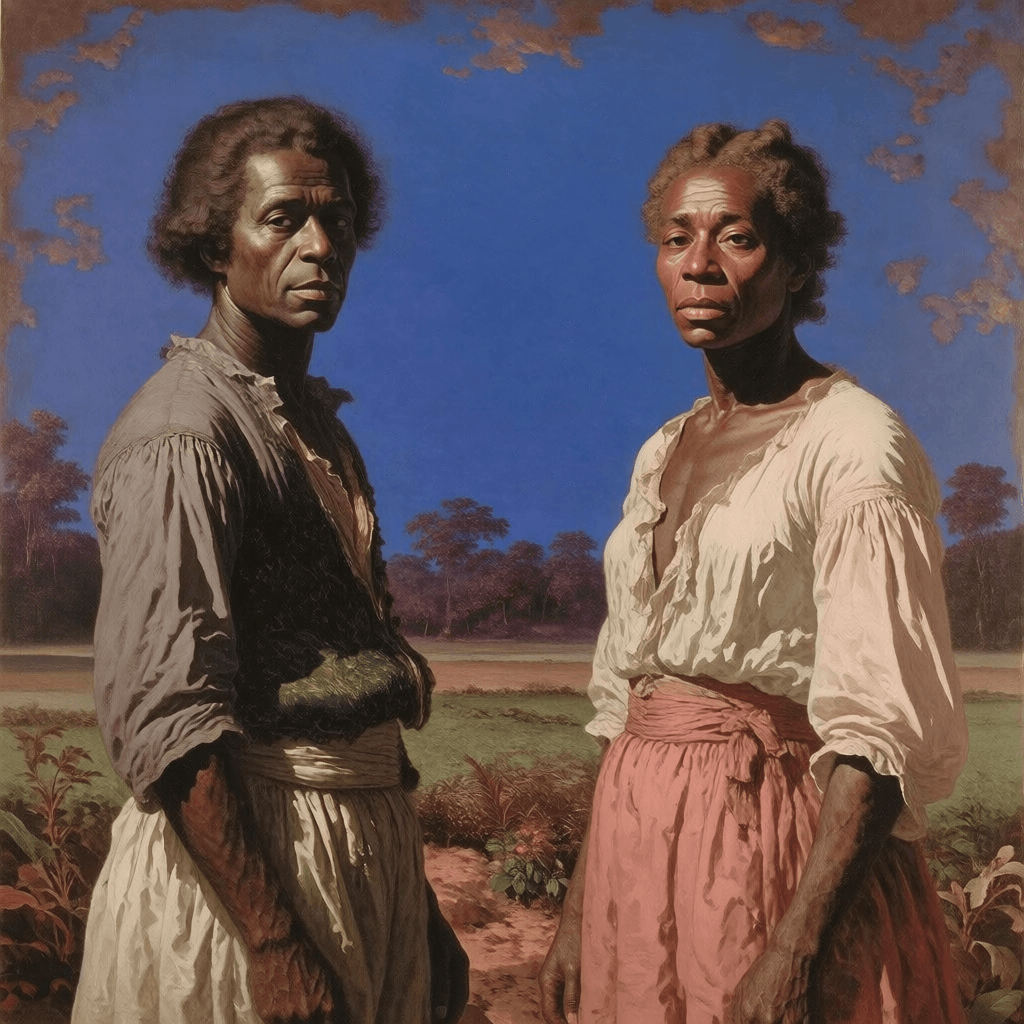
Identity: William Alexander Mackinnon was born on the second of August, seventeen hundred and eighty-four, in Dauphiné, France, and died on the thirtieth of April, eighteen hundred and seventy. UCL identifies him as politician, landowner, Tory MP, chief of Clan Mackinnon, and claimant or beneficiary in British slave compensation records.
Chiefship and inheritance: he became chief in eighteen hundred and nine after the death of his grandfather William Mackinnon. UCL says he inherited the estates, was already wealthy from his father’s West Indian success, and used some of his money to buy back Mackinnon lands in Scotland. That is a key line for our map: colonial wealth helped restore a Highland chiefly identity after the old Scottish patrimony had been lost.
Slavery compensation: Mackinnon’s Estate was the subject of Antigua claim number thirty-five. The claim, dated the tenth of October, eighteen hundred and thirty-six, covered two hundred and seventy-six enslaved people and a total award of three thousand nine hundred and forty-two pounds, two shillings and one penny. The award was split among several parties, with Call and Mackinnon receiving two thousand three hundred and seven pounds, thirteen shillings and seven pence.
Public life: he sat in Parliament for Dunwich, Lymington and Rye, and UCL also records him as connected with the Royal Society, the Society of Antiquaries, the Royal Geographical Society, the Royal Asiatic Society, the RSPCA, and the Colonization Commission for South Australia. This gives him the classic nineteenth-century imperial gentleman profile: politics, learned societies, colonisation, estate wealth and moral reform language existing alongside direct benefit from slavery compensation.
Slavery silence: in the records found so far, he appears as an owner, inheritor and compensation beneficiary, not as an anti-slavery figure. The contrast is sharp because the UCL profile preserves his animal-welfare associations, but the same record anchors him to compensation for enslaved people on Mackinnon’s Estate.
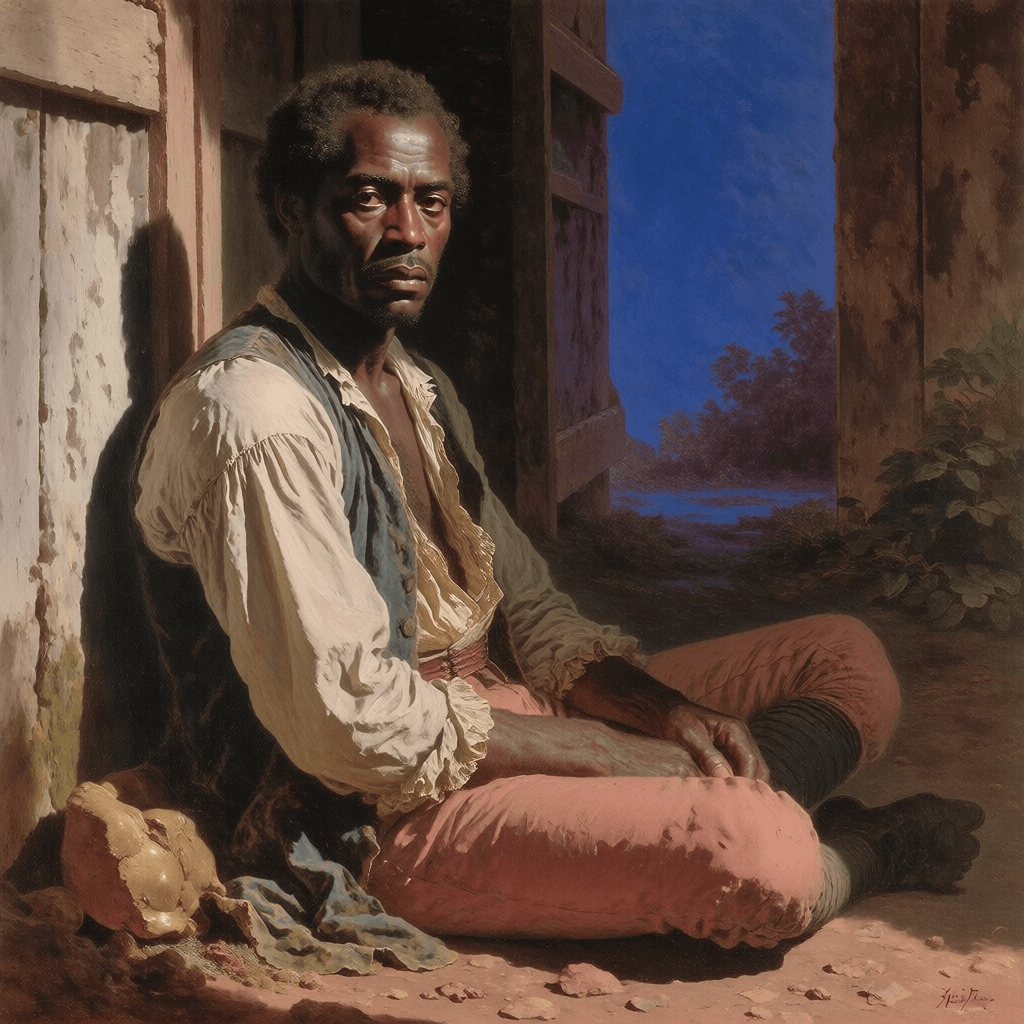
Identity: William Alexander Mackinnon, son of the thirty-third chief, was born in eighteen hundred and thirteen and died in nineteen hundred and three. He became thirty-fourth chief after his father’s death in eighteen hundred and seventy.
Political activity: he was also an MP, linked with Rye and Lymington. His Rye election was declared void after a “treating” controversy, and he later represented Lymington until eighteen hundred and sixty-eight. This keeps the family inside parliamentary and landed British respectability after emancipation.
Colonial inheritance position: by his lifetime, legal slavery had ended, but the family’s rank, estates, money, and restored Scottish status had already been shaped by the Antiguan plantation generation. He represents the post-emancipation laundering phase: the family appears mainly as British political and landed gentry, while the plantation origin becomes less visible.
Identity: Francis Alexander Mackinnon was born on the ninth of April, eighteen hundred and forty-eight, and died on the twenty-seventh of February, nineteen hundred and forty-seven. He became thirty-fifth chief after his father’s death in nineteen hundred and three, so we should correct the working table: his start date is nineteen hundred and three, not nineteen hundred and forty.
Public profile: he is remembered less as a planter descendant and more as a late Victorian and Edwardian gentleman: cricketer, Kent figure, Cambridge man, justice of the peace and deputy lieutenant. He played one Test for England in the eighteen seventy-eight to eighteen seventy-nine tour of Australia, which gives him a public sporting identity almost completely detached from the Antiguan estate history.
Legacy: his long life creates a massive memory bridge. He was born only fourteen years after emancipation in Antigua and died after the Second World War, yet the public story around him is cricket, county status and chiefly continuity, not the enslaved people whose labour helped build the branch’s wealth.
Identity: Arthur Avalon Mackinnon became thirty-sixth chief in nineteen hundred and forty-seven and died in nineteen hundred and sixty-four. The chief list identifies him as a Commander in the Royal Navy.
Clan activity: in nineteen hundred and fifty-eight, as chief, he recognised the sept names Love, MacKinney, MacKinning, MacKinven and MacMorran. This is important because it shows the modern chiefly office being used to organise identity, recognition and belonging, while the colonial history still remains secondary in the official clan narrative. Legacy: Arthur’s tenure belongs to the post-war clan revival phase. The chief is no longer a Highland territorial war leader or Caribbean estate owner; he is a symbolic hereditary head, operating through names, arms, septs and diaspora identity.
Identity: Alasdair Neil Hood Mackinnon, often appearing as Neil Mackinnon of Mackinnon, was born in nineteen hundred and twenty-six, became thirty-seventh chief in nineteen hundred and sixty-four, and died in nineteen hundred and eighty.
Clan society role: during the late nineteen seventies, as the old United Kingdom society had declined, Neil gave permission for the formation of the North American society. By nineteen hundred and eighty, Clan MacKinnon Society of North America was constituted. This makes him central to the diaspora revival of the clan. Legacy: he represents the transition from chiefly descent as a British landed identity into chiefly descent as a global diaspora identity. Again, the public frame is Scottish roots, society-building and clan fellowship, not a deep reckoning with the Antigua branch’s plantation past.
Identity: Anne Gunhild Mackinnon of Mackinnon became thirty-eighth chief in nineteen hundred and eighty and is the first woman to be MacKinnon of MacKinnon in this chiefly line. The Clan MacKinnon Society currently lists her as clan chief.
Modern recognition: the current society states that it shows fealty to Madam Anne Gunhild MacKinnon of MacKinnon in Great Britain, and that she named Stephen MacKinnon of Massachusetts as her representative. This puts the modern chiefship inside a transatlantic clan-society structure rather than inside old Hebridean landholding. Slavery recognition and silence: the current Clan MacKinnon Society has an equity statement saying it is aware of a report that a MacKinnon forebear was engaged in the slave trade, and that it denounces that activity and racial discrimination. But the statement does not name Daniel, William, William Alexander, Mackinnon’s Estate, Juncho, the compensation claim, or the hundreds of enslaved people recorded on the estate. That is why, for our map, this belongs under Anne’s period as “modern acknowledgement, but minimal reckoning.” Legacy: Anne’s chiefship is historically important because it is the first female chiefship in this line and the modern public face of the clan. It is also the point where the unresolved colonial inheritance becomes most visible: the official society now gestures toward slavery, but the documented Antiguan plantation story remains largely outside the main clan narrative.