
+++++++++
/RETURN_HOME
/ABOUT_THE_TEAM3 MEMBERS

The forensic archive is built collectively. Researchers, designers and translators trace the MacKinnon line from Strathaird to Antigua, reconstructing the rupture through documents, oral memory and inherited silence.

T1EMMA-JANE MACKINNON-LEE#member-01
Emma-Jane MacKinnon-Lee · /LEAD_RESEARCHER · /Ireland · Emma-Jane MacKinnon-Lee · MacKinnon Antigua Plantation Forensic Analysis
/LEAD_RESEARCHER/Ireland

Trained in rural valuation in Galicia in the late two thousands, initially working out of a small appraisal office on the outskirts of Lugo. Her early work focused on smallholdings, fragmented parcels, and inherited land where documentation often lagged behind actual use. Became accustomed to working with incomplete cadastral records, informal boundaries, and properties passed down without formal subdivision. Her move to the Isle of Skye came gradually, following personal research into the MacKinnon line and a growing involvement in crofting records. What began as genealogical interest turned into parallel work: valuation of croft land, shared grazing rights, and properties where legal definition and lived reality rarely align cleanly. Now works between the two regions, maintaining separate but overlapping casework. On one desk: Galician fincas, often abandoned or partially cultivated, with layered ownership histories. On the other: Highland croft cases, where access rights, tenancy, and historical claims require careful interpretation alongside formal valuation. Her reports are known for being precise but cautious, often including notes on discrepancies between surveyed limits and observed use. Keeps a personal calendar where she logs site visits, weather conditions, and irregularities encountered during inspections. Travels frequently, often alone, and prefers to revisit sites more than once before finalising assessments.

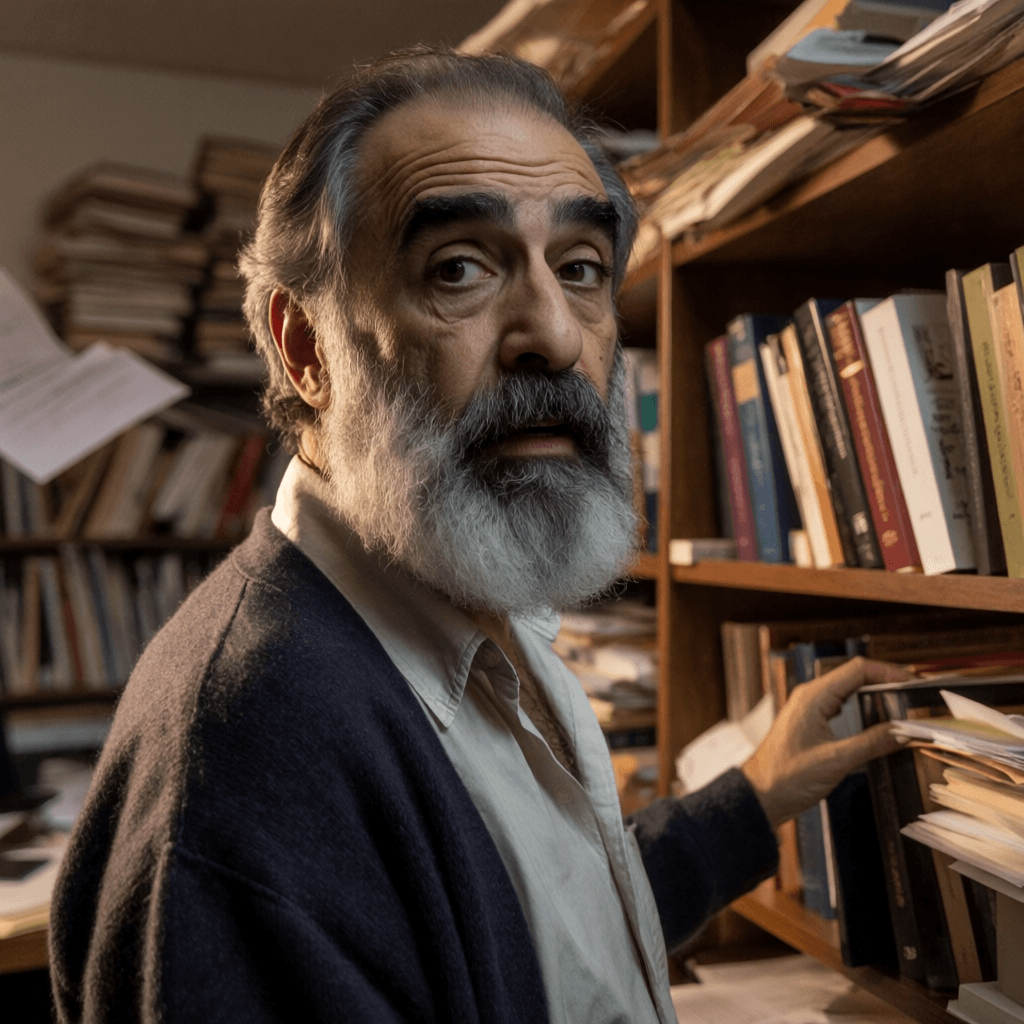
T2RONALD MACDONALD#ronald-macdonald
Ronald MacDonald · /DESIGN_+_INTERFACE · /Edinburgh · Emma-Jane MacKinnon-Lee · MacKinnon Antigua Plantation Forensic Analysis
/DESIGN_+_INTERFACE/Edinburgh

Trained in document forensics in the early twenty tens, beginning his career at the National Records of Scotland in Edinburgh. Initially worked on preservation and authentication of public records, with a focus on ink composition, paper ageing, and handwriting comparison across administrative documents. Moved into private practice in the mid twenty tens, taking on commissions from heritage trusts, legal firms, and independent researchers. His work centres on the authentication and dating of estate papers, charters, and land-related documents, particularly those with disputed provenance or unclear transmission history. Over time, developed a specific interest in pre-seventeen hundred Highland charters, where overlapping claims, later copies, and partial transcriptions complicate verification. Regularly works with documents that exist in multiple versions, none of which can be considered fully authoritative without cross-analysis. His process is methodical: physical examination where possible, followed by comparison against known samples and archival references. Keeps detailed internal notes on inconsistencies, including marginal annotations, ink variations, and structural anomalies in the document layout. Based in Edinburgh, but travels for on-site consultations when required. Known to decline cases where documentation has been excessively restored or altered, preferring material that still retains visible traces of handling and use.

T3KENNETH MACLEOD#kenneth-macleado
Kenneth MacLeod · /ARCHIVIST · /ANTIGUA · Emma-Jane MacKinnon-Lee · MacKinnon Antigua Plantation Forensic Analysis
/ARCHIVIST/ANTIGUA

Born and raised in Saint John's, Antigua. Studied at the University of the West Indies, with a focus on archival studies and Caribbean history. Spent close to a decade working at the Antigua and Barbuda Museum, where he was involved in cataloguing and stabilising estate records, parish registers, and administrative documents linked to plantation ownership. His work at the museum involved sorting large volumes of material with inconsistent organisation, often dealing with partial records, duplicated entries, and documents affected by climate conditions. Developed a working familiarity with estate inventories, correspondence between absentee owners, and local administrative records. Since the late twenty tens, has worked independently, focusing on plantation papers and the compensation records associated with the abolition period. Much of his work involves tracing connections between families based in Britain and landholdings in Antigua, using fragmented archival trails that span multiple jurisdictions. Operates between local archives, private collections, and digital repositories, often reconstructing sequences from incomplete sets of documents. Keeps detailed logs of cross-references, noting where records diverge or fail to align. His approach avoids drawing conclusions beyond what can be supported by documentation, but his notes frequently highlight gaps, omissions, and irregular patterns in record-keeping. Works primarily from Saint John’s, with occasional travel for research access or collaboration.